
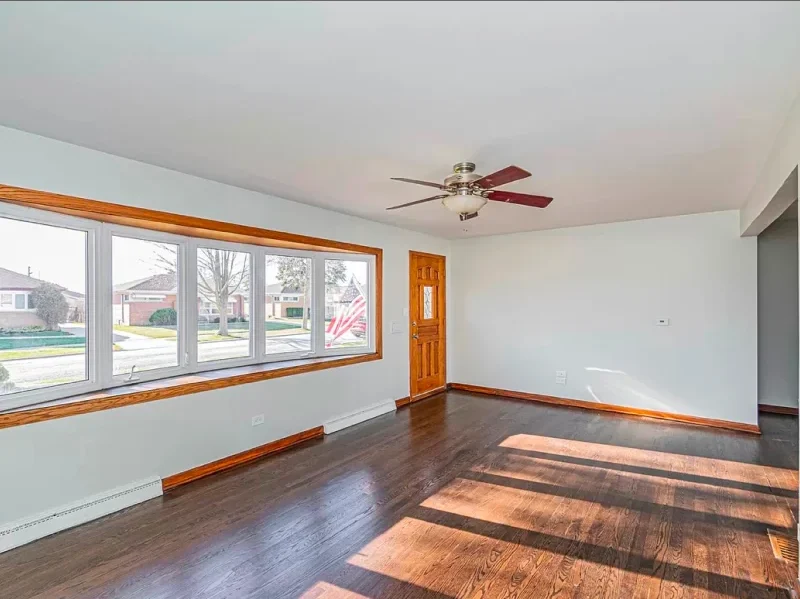
Step 1. Planning Your Flooring Installation
Before any materials are purchased or tools are picked up, planning must come first. Understanding the scope of the project sets realistic expectations for time, cost, and effort. Many flooring problems start long before installation begins, often due to rushed planning or incorrect measurements.
Start by measuring the room accurately. Measure length and width, then calculate square footage. Always order extra material to account for cuts and waste. Ten percent extra is standard, while patterned layouts or diagonal installations may require more. Planning also includes deciding which rooms will be worked on and whether furniture will need to be moved or stored temporarily.
This early phase of how to install flooring helps prevent delays and keeps the project moving smoothly once installation begins.
Step 2. Choosing the Right Flooring Material
Selecting the right flooring material is critical to long-term performance. Each option offers different benefits depending on moisture exposure, foot traffic, and lifestyle needs. Kitchens and bathrooms often require water-resistant materials, while living areas benefit from comfort and durability.
Tile flooring works well in wet areas due to its durability and easy maintenance. Vinyl plank flooring is a popular choice for families because it is waterproof and resilient. Hardwood flooring provides timeless appeal and long-term value but requires careful installation and environmental control.
If your flooring project is part of a larger renovation, it may help to coordinate with related upgrades such as kitchen remodeling services, bathroom remodeling services, or basement remodeling to ensure consistent materials and finishes throughout the home.
Step 3. Understanding the Flooring Installation Process
The flooring installation process follows a specific order that should not be altered. Each step builds on the previous one, and skipping steps often leads to visible and structural issues later. Understanding the full process allows you to work more efficiently and recognize potential problems early.
The process begins with removing old flooring and inspecting the subfloor. Next comes surface preparation, material acclimation, and underlayment installation if required. Flooring is then laid according to manufacturer guidelines, followed by trim, transitions, cleaning, and inspection.
Knowing this sequence helps homeowners better understand how to install flooring and why patience and accuracy are essential throughout the project.
Step 4. Preparing the Subfloor Properly
Subfloor preparation is one of the most important parts of installing flooring. A clean, level, and stable subfloor supports the flooring above it and prevents movement, noise, and premature wear. Ignoring this step often leads to costly repairs later.
Begin by inspecting the subfloor for damage, moisture, or uneven areas. Wood subfloors should be solid and dry, while concrete subfloors must be fully cured and level. Any cracks, dips, or high spots should be addressed before installation begins. Cleaning is also essential. Dust, debris, and old adhesive can interfere with bonding and alignment.
Proper subfloor preparation is a core principle of every successful flooring installation guide.
Step 5. Gathering Tools and Materials
Having the right tools and materials on hand keeps the installation moving efficiently. Missing tools often cause rushed decisions or improper cuts that affect the final appearance of the floor. Preparation saves time and reduces frustration.
Common tools include a tape measure, level, utility knife, saw, spacers, and safety equipment. Depending on the flooring type, you may also need adhesive, underlayment, fasteners, or grout. Always verify manufacturer recommendations for tools and materials to avoid compatibility issues.
Proper preparation supports smoother execution and reinforces good habits when learning how to install flooring correctly.
Step 6. Acclimating Flooring Materials
Acclimation allows flooring materials to adjust to the temperature and humidity of the room where they will be installed. This step reduces the risk of expansion or contraction after installation, which can cause gaps or buckling.
Most flooring materials should be left in the room for at least 48 to 72 hours before installation. Boxes should be opened and spread out to allow airflow. Skipping acclimation is a common mistake that leads to avoidable problems.
This step is essential in the flooring installation process and should never be overlooked.
Step 7. Installing the Flooring Material
The installation method depends on the flooring type. Vinyl plank flooring typically uses a floating click-lock system, while tile flooring requires mortar and precise spacing. Hardwood flooring may be nailed or glued down depending on the subfloor.
Regardless of material, installation should begin along a straight reference line. Spacers should be used to maintain expansion gaps along walls. Seams should be staggered for stability and appearance. Cuts should be measured carefully and checked before placement.
Understanding how to install flooring by material type helps prevent errors and ensures consistent results across the entire space.
Step 8. Installing Transitions and Trim
Transitions connect different flooring surfaces between rooms and protect exposed edges. Trim covers expansion gaps along walls and gives the floor a finished appearance. These details are often small but make a noticeable difference in the final result.
Transitions should be installed securely and aligned with doorways or room boundaries. Trim should be cut cleanly and attached without restricting floor movement. Taking time with these finishing touches improves durability and appearance.
This step completes the visual portion of the flooring installation guide.
Step 9. Cleaning and Final Inspection
Once installation is complete, the floor should be cleaned thoroughly to remove dust, residue, and debris. This makes it easier to spot imperfections and confirm that everything is secure and level.
Inspect the entire surface for gaps, uneven areas, or loose sections. Address any issues immediately before furniture is returned to the space. Early correction prevents long-term problems.
Final inspection confirms that the steps of how to install flooring were followed properly.
Flooring Installation Checklist
A flooring installation checklist helps keep the project organized and reduces the chance of missing important steps. It also serves as a useful reference throughout the process.
- Confirm measurements and material quantities.
- Remove old flooring and prepare the subfloor.
- Gather tools and materials.
- Acclimate flooring.
- Install underlayment if required.
- Lay flooring carefully and consistently.
- Install transitions and trim.
- Clean and inspect the finished floor.
Following this checklist supports a smoother workflow from start to finish.
How Long Does It Take to Install Flooring
Many homeowners ask how long it takes to install flooring before starting a project. The answer depends on room size, material type, and preparation needs. A small vinyl plank room may take one day, while tile flooring often requires several days due to curing time.
Hardwood flooring usually takes three to five days, especially when subfloor prep is involved. Whole-home flooring projects may take one to two weeks. Planning for realistic timelines helps reduce stress and unexpected delays.
Understanding timing is an important part of the overall flooring installation process.
Common Mistakes to Avoid During Installation
Mistakes during installation often stem from rushing or skipping steps. Common issues include poor subfloor preparation, ignoring expansion gaps, and using incorrect adhesives or fasteners. These mistakes may not be obvious immediately but often appear months later.
Carefully following instructions and using proper tools helps avoid these problems. Taking breaks and rechecking alignment also improves accuracy. Avoiding shortcuts leads to better long-term results.
These lessons are essential for anyone learning how to install flooring successfully.
Practical Flooring Installation Tips
Simple habits can make a big difference during installation. Measure carefully before every cut and double-check layout lines frequently. Keep tools clean and materials organized to avoid damage or confusion.
Work in sections and avoid rushing. If something feels off, stop and reassess before continuing. These flooring installation tips help maintain consistency and reduce costly corrections.
Preparation and patience remain the foundation of a quality installation.
How JCJ Craftmasters, Inc. Can Help
If you want your flooring installed correctly without the stress of managing every detail, we can help. We bring decades of hands-on experience, reliable scheduling, and clear communication to every flooring project we take on. Our team works efficiently, keeps job sites clean, and respects your budget and home. Whether your flooring project stands alone or connects with whole house remodeling or other residential upgrades, we deliver results built to last. If you are ready to move forward with confidence, call (630) 440-2822 and speak with JCJ Craftmasters, Inc. in Bartlett, IL about your flooring needs.